
Boulder Falls
Boulder, CO
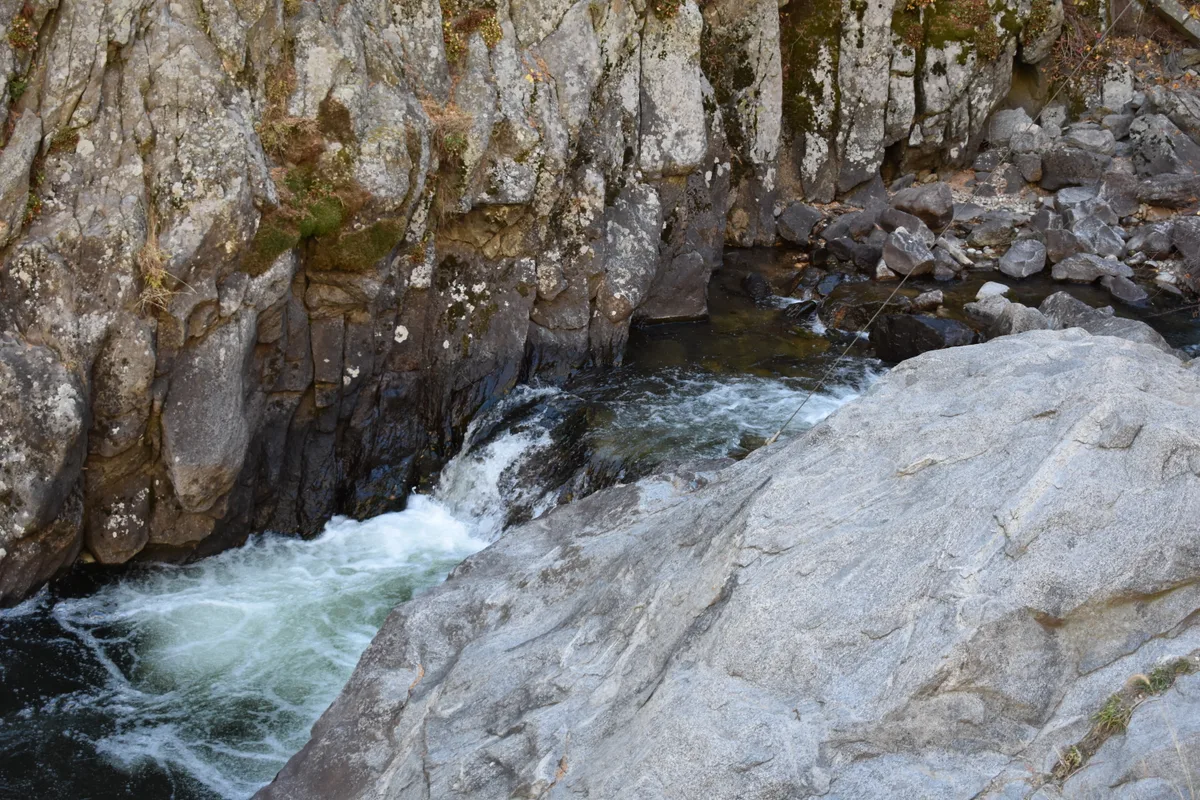
A 70-foot waterfall on North Boulder Creek located in Boulder Canyon along Highway 119. The falls cascade over a granite cliff face into a narrow canyon. Peak flow occurs during late spring snowmelt, typically from May through June.
Photography Guide
- Best Time
- morning
- Crowds
- Busy
- Shot Types
- long-exposuredetailportrait
- Best Seasons
- springsummer
Is it a good day to go?
7-day outlookMild, dry days with light winds are the most comfortable for a visit.
Forecast by Open-Meteo. Verdicts weigh the forecast against the conditions that suit this spot.
Author's Comments
Boulder Falls is a roadside waterfall, and that is both the appeal and the complication. You park along Highway 119, walk a few minutes up a steep little path, and there it is - seventy feet of water dropping through a narrow granite cleft. There is no earning it. Which means everyone is here, and on a weekend in June the small lot turns into a slow-motion negotiation of cars trying to find a space that does not exist. Come on a Tuesday. Come at sunrise, or close to it. Late May into June is when the snowmelt is honest and the falls actually roar, and the canyon walls are still cold enough in the early hours that you get that suspended mist hanging in the slot. Morning light here is indirect - the canyon is narrow and the sun does not reach the falls until later - and that is exactly what you want. Even, soft, long shadows on the granite. The kind of light that lets a long exposure breathe. Bring the tripod. This is the rare waterfall where silk water actually serves the image rather than flattening it, because the rock face behind the cascade is textured enough to hold its own against the smooth water. I shoot tighter here than my instinct tells me to. The wide frame includes too much guardrail and undergrowth and the path of other photographers' tripods. The detail frames - the upper drop alone, the place where the water hits the lower pool and breaks apart - those are the photographs worth carrying home.
Gallery
You might also like
Nearby Places

Boulder, CO
Mount Sanitas
A 6,863-foot peak on the western edge of Boulder with a steep 1.5-mile trail to the summit. The summit provides 360-degree views including the Flatirons, Boulder, the Indian Peaks Wilderness, and the Great Plains. Large quartzite boulders at the summit create natural foreground frames for landscape photography.

Boulder, CO
Chautauqua Park
A historic 26-acre park and National Historic Landmark at the base of the Flatirons, established in 1898 as part of the Texas-Colorado Chautauqua. The open meadow provides the most classic foreground for photographing the Flatirons. The historic cottages and dining hall add architectural interest to the natural setting.

Boulder, CO
Flatirons Vista
The Flatirons are five large tilted slabs of sedimentary rock on the southwest slope of Green Mountain in Boulder. These iconic rock formations rise dramatically from the foothills at angles of 40 to 50 degrees. The formations are visible from much of Boulder and serve as the city's most recognizable landmark.