
Ice Lake Basin
Silverton, CO
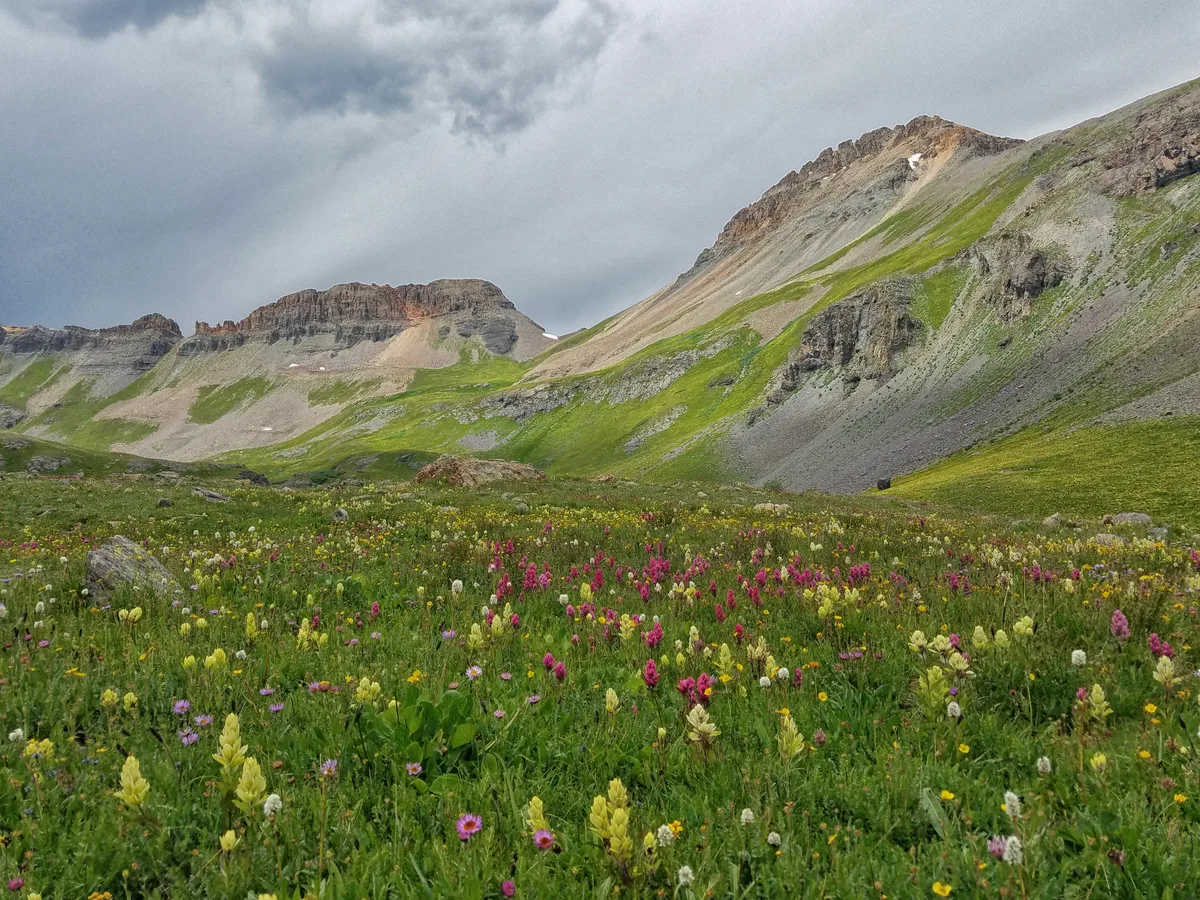
Ice Lake sits at 12,585 feet in a glacial cirque surrounded by the dramatic peaks of Vermillion, Golden Horn, and Pilot Knob. The lake is known for its impossibly vibrant turquoise color, set against lush wildflower meadows in midsummer. The basin also includes Island Lake, another photogenic alpine destination.
Photography Guide
- Best Time
- golden hour
- Crowds
- Moderate
- Shot Types
- widelandscapereflectiondetail
- Best Seasons
- summer
Is it a good day to go?
7-day outlookMild, dry days with light winds are the most comfortable for a visit.
Forecast by Open-Meteo. Verdicts weigh the forecast against the conditions that suit this spot.
Author's Comments
The first time I saw Ice Lake I did not believe the color. I had heard the descriptions and seen other people's photographs and assumed, the way I always assume, that some of it was saturation pushed too far in post. It is not. The lake is genuinely that turquoise, a color that belongs more to the Caribbean than to a glacial cirque at 12,585 feet, and the first reaction is something close to disbelief. The hike earns it. Seven miles round trip and twenty-five hundred feet of climbing, most of it through the lower basin where the wildflowers in late July go absurd - paintbrush and columbine and lupine in densities I have not seen anywhere else in Colorado. I tell people to start at first light, not because the trailhead fills, though it does, but because the afternoon storms in this basin are not theoretical. By two in the afternoon you want to be coming down, not going up. Golden hour at the lake itself is the photograph everyone is after, and it is worth the wait if you can manage the descent in fading light. Vermillion and Golden Horn and Pilot Knob hold the last sun longer than the basin floor, and there is a window when the peaks are still warm and the water has gone deep and quiet. Reflections work best in the morning when the wind has not yet picked up. I have made both photographs and I am not sure which one I prefer. Push on to Island Lake if you have the legs. It is another four hundred feet up and most people do not bother, which is reason enough.
Gallery
You might also like
Nearby Places

Silverton, CO
Ophir Pass
Ophir Pass is a 11,789-foot alpine pass between Silverton and Telluride that follows a historic toll road built in 1881. The Silverton side features expansive views of the mineral-stained peaks of the Red Mountain mining district. Near the summit, the road traverses above timberline with vast open tundra and scattered wildflowers.

Telluride, CO
Bridal Veil Falls
At 365 feet, Bridal Veil Falls is the tallest free-falling waterfall in Colorado. A historic hydroelectric power plant sits at the top of the falls and is one of the oldest alternating current power plants still operating in the world. The falls are visible from the east end of Telluride's box canyon.

Ouray, CO
Million Dollar Highway - Red Mountain Pass
Red Mountain Pass sits at 11,018 feet along U.S. Route 550, the famous Million Dollar Highway connecting Ouray and Silverton. The surrounding peaks are stained vivid red and orange from iron oxide mineralization. Several pullouts offer views of the barren, colorful peaks and remnants of historic mining operations.