
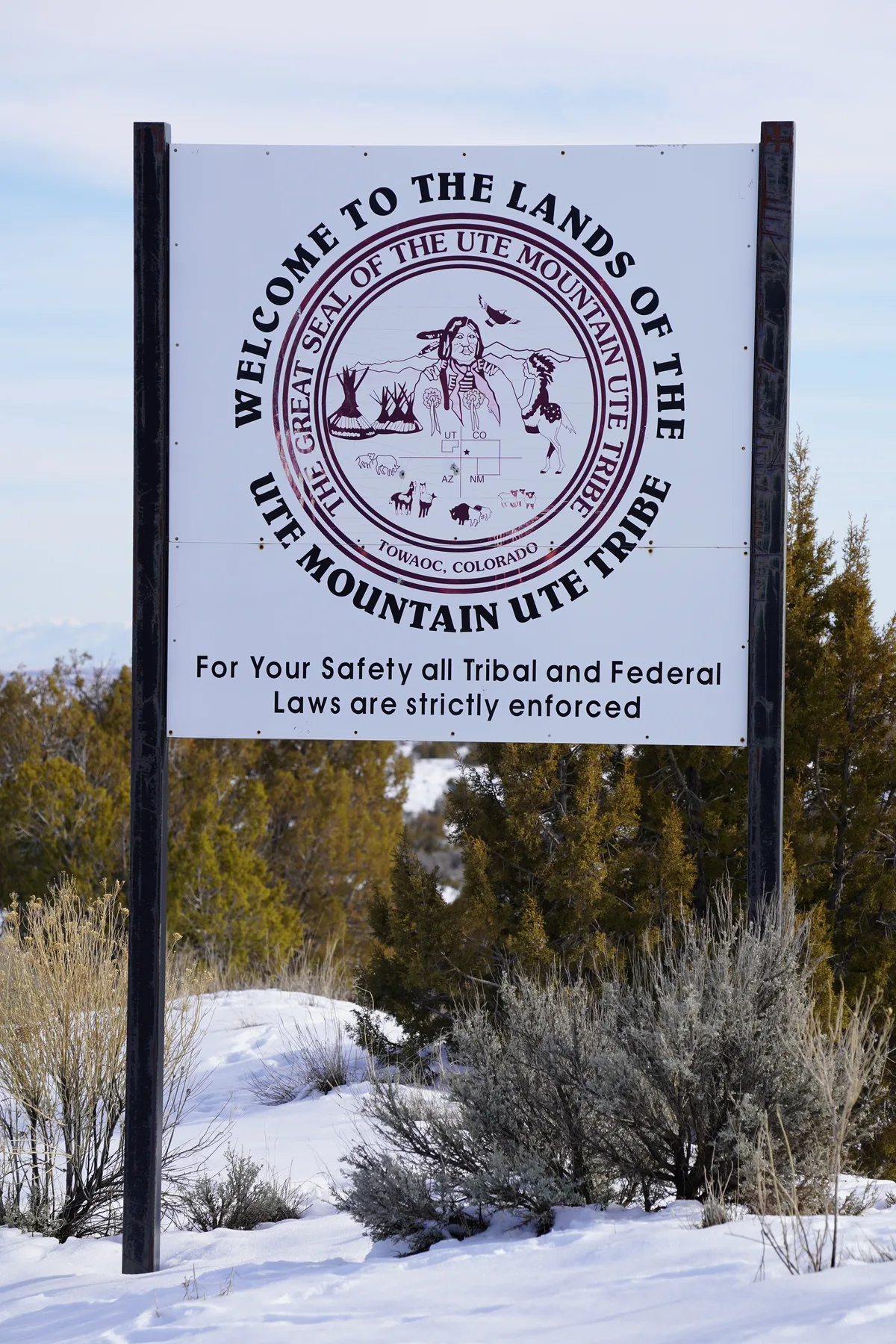
Ute Mountain Tribal Park
Towaoc, CO
Ute Mountain Tribal Park preserves thousands of Ancestral Puebloan archaeological sites along the Mancos River canyon, including cliff dwellings, petroglyphs, and surface pueblos. The park is accessible only through guided tours led by Ute Mountain Ute tribal members. Sites within the park rival those of Mesa Verde but see a fraction of the visitation.
Photography Guide
- Best Time
- morning
- Crowds
- Quiet
- Shot Types
- widedetaillandscape
- Best Seasons
- springsummerfall
Is it a good day to go?
7-day outlookMild, dry days with light winds are the most comfortable for a visit.
Forecast by Open-Meteo. Verdicts weigh the forecast against the conditions that suit this spot.
Author's Comments
You drive south from Cortez and the land opens in a way that feels almost private. Mesa Verde is just over the ridge, drawing its crowds, and here the canyons stay quiet. Ute Mountain Tribal Park is not a place you wander into. You arrange a tour through the tribal office, you meet your guide in Towaoc, and then you follow a dirt road into the Mancos River canyon for the better part of a day. The cliff dwellings are extraordinary, and they are not roped off. You climb the ladders. You stand inside the rooms. Your guide, who is Ute, tells you what the Ancestral Puebloan sites mean to the people who live on this land now, which is a different thing than what they mean in a museum. For the camera, this is canyon country at its most layered. The dwellings are tucked into shadow under the rim, and the trick is morning light, when the sandstone glows on the opposite wall and the alcoves stay cool and blue. The contrast is severe at midday and the photographs go flat. Petroglyph panels are best in raking light, early or late, when the pecked stone catches its own small shadow. Bring a wide lens for the canyon, a longer one for detail work on the masonry and the glyphs. Bring more water than you think you need. The road requires real clearance and the day is long. What stays with me is not any single frame. It is the silence in the canyon and the sense that you have been allowed somewhere, briefly, by people who have been here a very long time.
Gallery
You might also like
Nearby Places

Towaoc, CO
Sleeping Ute Mountain
Sleeping Ute Mountain is a laccolith formation rising to 9,984 feet that resembles a sleeping figure when viewed from the east or west. The mountain is sacred to the Ute Mountain Ute Tribe and is located on the Ute Mountain Ute Reservation. The profile is best photographed from various vantage points along US-160 and US-491 near Cortez and Towaoc.

Mancos, CO
Spruce Tree House
Spruce Tree House is the third-largest cliff dwelling in Mesa Verde, containing about 130 rooms and 8 kivas built between 1211 and 1278 CE. The site sits in a deep alcove in Spruce Tree Canyon near the Chapin Mesa Archeological Museum. Rock fall concerns have periodically restricted access, but the dwelling can be viewed and photographed from the overlook.

Mancos, CO
Mesa Verde Sun Temple
Sun Temple is a D-shaped ceremonial structure on the mesa top in Mesa Verde National Park that was never completed before the Ancestral Puebloans departed the area around 1300 CE. The double-walled masonry construction is among the finest stonework at Mesa Verde. The site sits on a prominent point between Cliff Canyon and Fewkes Canyon with views to the cliff dwellings below.